
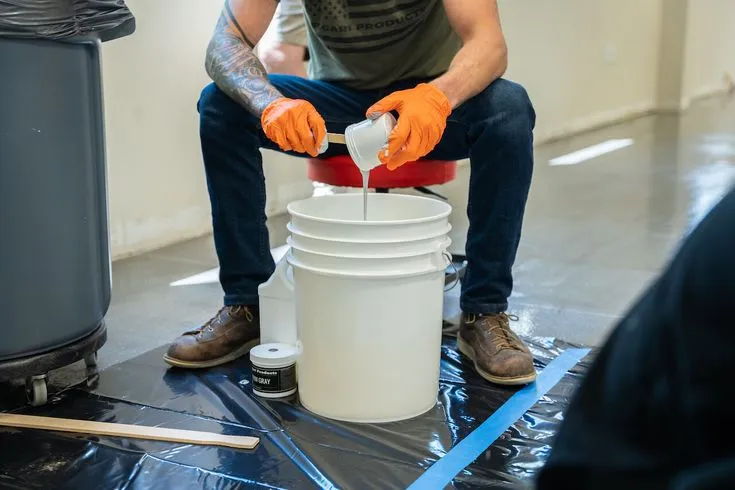
A dependable concrete coating installation starts with decisions made before the crew arrives. Material compatibility, accurate quantities, and the right preparation tools can determine whether a project runs smoothly or suffers avoidable delays. Contractors comparing epoxy suppliers los angeles options need more than an attractive product catalog. They need to match the concrete slab, installation conditions, and proposed finish with suitable products. A structured purchasing approach can reduce waste and improve jobsite organization.
Define the Floor’s Working Conditions
A residential garage may encounter vehicle tires and occasional oil spills, while a commercial workshop faces rolling equipment and frequent cleaning. These environments call for different coating properties. Before buying materials, record anticipated traffic, chemical exposure, sunlight, and any traction requirements.
An initial site visit should also identify cracks, old paint, moisture concerns, and uneven concrete. These findings influence preparation, repair products, and primer selection. Choosing a coating without understanding the substrate can lead to expensive changes after installation has begun.
Compare Products as Complete Systems
A flooring specification may contain primer, body coat, decorative broadcast, and protective topcoat. Each layer must work with the others. A premium topcoat cannot compensate for a poorly bonded foundation, and products from different manufacturers should not be combined without confirming compatibility.
Review technical data sheets for coverage rates, working time, recoat windows, and recommended thickness. Epoxy, polyurethane, and polyaspartic products differ in application and performance. Contractors should select materials for the job’s conditions rather than assuming one popular formula suits every surface.
Budget for Preparation, Not Just Resin
Concrete preparation is frequently the difference between a durable installation and early coating failure. Grinding equipment, appropriate diamond tooling, dust extraction, and suitable repair products belong in the purchasing plan. Surfaces contaminated by oil or covered with old sealers may need additional treatment.
Moisture assessment matters as well, particularly when a slab’s construction history is unknown. Where a moisture-control primer is proposed, its limitations and required testing must be checked. Preparing the correct equipment in advance prevents crews from improvising after discovering defects.
Create a Reliable Ordering Checklist
A bill of materials should account for actual floor area, substrate texture, expected application thickness, and reasonable waste. Ordering only the theoretical minimum creates a risk of running short midway through a time-sensitive coating stage. Spare mixing supplies can also be useful.
Before placing an order, verify these essentials:
-
Compatible primers, base coats, and topcoats.
-
Concrete patching and joint repair materials.
-
Flakes, pigments, or traction additives where specified.
-
Rollers, squeegees, mixers, and measuring tools.
-
Gloves, respiratory protection, and dust-control equipment.
One team member should reconcile the order with the installation plan.
Evaluate Product Support and Availability
Contractors seeking epoxy supplies los angeles can benefit from a distributor that carries coatings alongside preparation tools and repair materials. Having these categories accessible in one place may simplify purchasing and reduce separate supply runs, especially when a project includes unexpected substrate repairs.
Ask about current stock, available package sizes, product documentation, and pickup arrangements. Supplier guidance can help identify options, but it does not replace manufacturer instructions. Where a product specification is unclear, confirm the technical requirement before committing materials to a client’s floor.
Plan Around Los Angeles Jobsite Conditions
Warm weather can shorten the usable working time of some mixed resins, while substrate temperature may differ from the surrounding air. Crews should review acceptable temperature ranges and application windows instead of relying on a routine developed for another season.
Staging materials in accordance with storage instructions and preparing tools before mixing can reduce unnecessary pressure. The installation schedule should also allow adequate curing before vehicles, furniture, or equipment return. A surface that feels dry is not necessarily ready for its intended load.
Check Deliveries Before Work Begins
When an order reaches the jobsite, confirm that labels, quantities, colors, and component ratios match the approved specification. Check containers for damage and separate products that require different handling. Clear organization helps prevent a primer from being mistaken for a finish coat.
Keep safety information available to the crew and follow recommended storage conditions. Documenting batch numbers supports future maintenance. A final inventory check before grinding starts is easier than discovering a missing component during application.
Conclusion
Reliable epoxy projects depend on procurement discipline as much as application skill. Matching materials to the slab, arranging proper preparation equipment, and checking product compatibility can prevent unnecessary delays and rework. Contractors should compare technical requirements and total project needs rather than buying on price alone. Flooring professionals in Los Angeles and the San Fernando Valley can explore coating products, concrete repair supplies, and application tools through whatittakesla.com when organizing upcoming installations.