
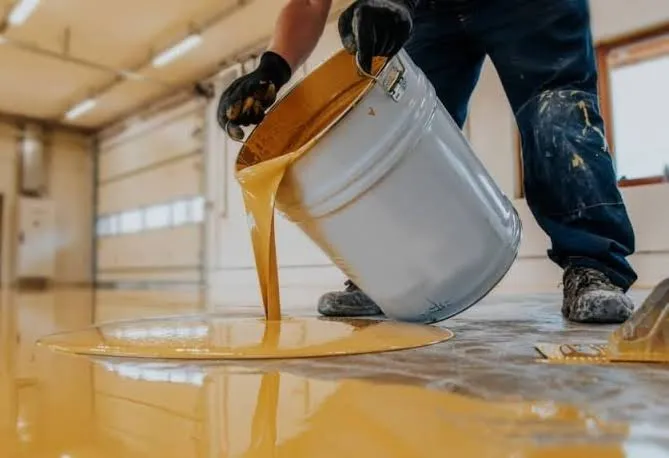
A concrete floor works hard every day, whether it supports family vehicles, busy foot traffic, stored equipment, or daily business operations. Over time, untreated surfaces can collect stains, release dust, and show signs of wear. A well-planned coating system can improve the look of the floor while making routine care easier. The right finish depends on the space, the condition of the concrete, and how people use it. Understanding the options helps property owners choose a practical surface that balances appearance, protection, and long-term value.
Why Garage Floors Need Protection
A garage floor faces more than parked vehicles. Tires bring in water and road salt, while oil, grease, and dropped tools can leave marks on bare concrete. A suitable coating creates a sealed surface that is easier to sweep and wipe clean. It can also give the garage a more finished appearance, with color and flake choices that suit the home. Before choosing a system, consider vehicle use, storage needs, moisture conditions, and the current state of the slab. Good preparation is essential for a finish that performs well over time.
Choosing a Durable Floor Finish
Concrete is strong, but it is porous and can absorb liquids that leave stubborn stains. Professional epoxy flooring offers a protective finish for suitable concrete surfaces in garages, basements, workshops, and other spaces. The cured coating can resist many common spills and everyday wear, while providing a smooth, attractive appearance. Color options and decorative flakes can help the floor complement its surroundings. The best system depends on the space and the surface, so a professional inspection should come before product selection or installation planning begins.
Why Surface Preparation Matters
The finished floor depends heavily on the work completed before the coating is applied. Installers need to assess the slab, remove dirt and contaminants, and prepare the surface so the coating can bond properly. Cracks, weak areas, old paint, and moisture concerns may need attention first. Skipping these steps can lead to peeling, bubbling, or uneven results. A professional evaluation helps identify problems early and determine whether repairs or additional preparation are needed. Careful preparation is one of the most important parts of a durable flooring project.
Matching Coatings to Each Space
Different spaces place different demands on a floor. A home garage may need resistance to tire marks, road grime, and occasional spills, while a warehouse may require a finish suited to heavier traffic and regular cleaning. Basements can have different moisture conditions from above-ground rooms, so the slab should be checked before work begins. Choosing concrete coatings based on the setting helps avoid paying for features that are not needed or selecting a finish that cannot meet daily demands. Discuss how the space is used before settling on a system.
Design Choices That Improve Appearance
Appearance is another important part of a flooring decision. Solid colors create a clean, simple look, while decorative flakes can add texture and help disguise small bits of everyday dust. Metallic finishes offer a more distinctive visual effect for customers who want a feature floor. The chosen color should work with the lighting, walls, and purpose of the room. It is useful to review real samples because a finish can look different under natural and artificial light. A thoughtful choice makes the floor feel connected to the wider space.
Simple Care for a Lasting Finish
After installation, simple care can help preserve the finish. Sweep away grit regularly, clean spills when they happen, and use cleaning products recommended for the coating system. Avoid harsh chemicals or abrasive tools unless the installer confirms they are suitable. Place protective pads under heavy equipment or furniture when needed, and use mats in areas where water or road salt may be tracked inside. Ask the installer about cure time before moving vehicles or heavy items back onto the floor. Following care instructions helps keep the surface looking its best.
Conclusion
A better concrete floor begins with a clear understanding of the surface, the space, and the demands placed on it. Comparing finishes, checking moisture, and preparing the slab properly can help prevent avoidable problems later. Property owners who want a more attractive and easier-to-maintain floor can review available options and discuss the project with an experienced installer. Hard Rock Concrete Coatings provides flooring and surface treatment services in Utah. Visit hardrockconcretecoatings.com to learn about its services, view project examples, and request information for a specific space.